Inside the trade performance gap in data center construction
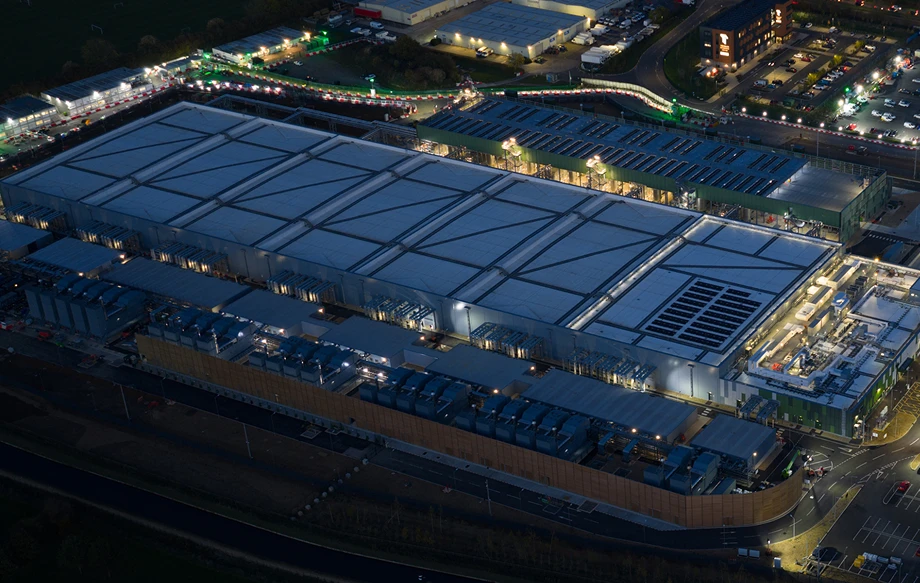
Demand for data centers is accelerating fast. Construction performance isn’t keeping up.
We analyzed 25,000,000 sq ft of global data center projects to see how MEP trades are
actually performing against plan.
Three clear patterns emerge. Each one has direct implications for schedule certainty,
commissioning timelines, and how reliably projects hit their power-on dates.
01. See what’s done. And what’s not. MEP trades are operating well below required pace.
Across 2025 data center projects, major MEP systems are progressing far below the pace required to hit target completion dates. HVAC systems are achieving 76.9% of required pace, electrical containment 59.4%, and domestic water 44.9%.
Even small weekly shortfalls compound over time, eroding commissioning buffers and increasing late-stage schedule risk.

02. The gap between trades' planned weekly output and what they actually deliver is 20-50%.
There’s a consistent gap between planned weekly output and actual delivery. For example, electrical distribution is typically planned at 1,322 ft per week but averages 1,070 ft. Domestic pipework insulation planned at 308 ft per week, but delivers 121 ft.
This suggests systemic overestimation of trade capacity. In other words, schedule risk is built in at the planning stage rather than in execution.

03. Trades do 3-5x more in their peak weeks than they do in average weeks.
Our data shows that MEP trades can work 3 to 5 times faster than their typical weekly average. When a team can hit 3,000 ft in a peak week but usually averages closer to 600 ft, it’s clear that
capability isn’t the issue.
That gap points to site-level friction limiting repeatable performance, and a lot of untapped capacity on most projects.

Related reading.

Schedule adherence: What does it mean when half of in-progress activities are off track?
The last 20%: New data on how construction activities stall at the finish line

Slow off the starting blocks: Why your revised schedule is still failing MEP and riser activities